Introduction
When it involves hardwood floor covering, several home owners concentrate on aesthetic appeal, durability, and cost. Nonetheless, one essential facet that frequently obtains ignored is climate Yes, the environment where you live can significantly affect your hardwood flooring setup and its long life. Whether you're thinking about a brand-new installment or a hardwood floor redecorate, understanding how environment influences timber is essential for making notified decisions.

Imagine investing in an attractive oak flooring just to find it bending or cracking due to changes in humidity. It's a nightmare scenario for any kind of home owner! In this post, we'll explore the nitty-gritty of exactly how climate affects not just the installation procedure yet additionally the lifespan of your wood floorings. So order a mug of coffee and work out in; we have a whole lot to cover!
How Climate Influences Your Wood Floor Installation and Longevity
Climate encompasses numerous aspects such as temperature level, moisture, and overall weather conditions. Each of these plays an indispensable duty in establishing exactly how well your hardwood floorings will do over time.
Understanding Timber as a Natural Material
Wood is hygroscopic, meaning it takes in dampness from the air. This characteristic impacts its shapes and size. High moisture can create wood to swell, while reduced moisture may result in shrinkage.
The Value of Acclimatization
Before installing wood floorings, it's critical to season the wood to your home's climate. This procedure normally takes around 5-7 days.
Temperature Check: Guarantee that the area temperature level is around 60-80 ° F. Humidity Levels: Perfect loved one moisture ought to be in between 30% - 50%. Air Circulation: Good air movement assists speed up acclimatization.The Impact of Moisture on Hardwood Floors
High Moisture: The Swelling Woes
When humidity degrees rise above 50%, hardwood can soak up excess moisture bring about:
- Swelling: Boards may broaden and fit securely together. Buckling: Extreme cases might trigger slabs to raise from the subfloor.
This could endanger both aesthetic appeals and functionality.
Low Humidity: The Contraction Struggle
On the other hand, when moisture dips listed below 30%, you may come across:
- Gaps In between Boards: As wood reduces, areas create in between planks. Cracking: Extended direct exposure may even cause fractures in the wood.
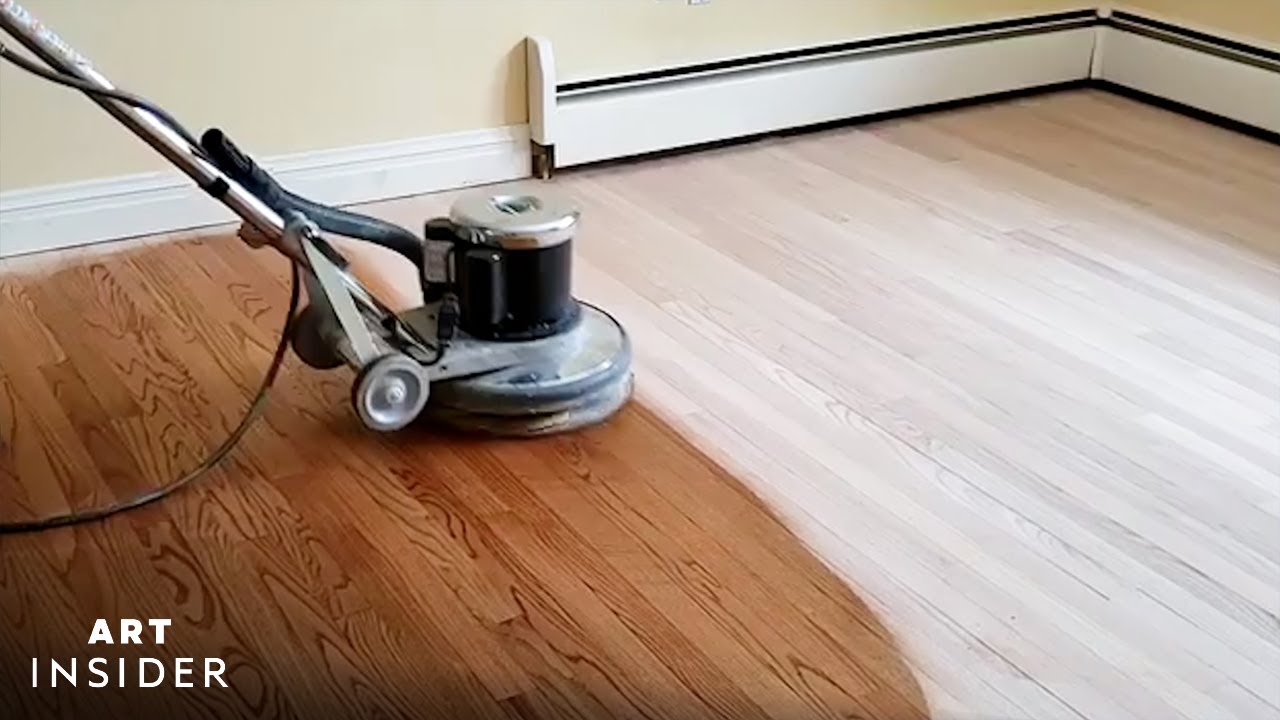
Both high and low humidity can necessitate an expensive wood floor refinish.
Temperature Extremes: Hot vs Cold
Extreme temperature levels can additionally damage your hardwood floors.
Hot Weather condition Effects
During hot months:
- Wood may broaden greater than usual. The adhesive used throughout setup might weaken.
It's important to take into consideration seasonal shifts when planning your setup timeline.
Cold Weather Consequences
Conversely:
- Cold air holds less moisture. Wood agreements leading to voids or splits.
Seasonal Factors to consider for Installment Timing
Choosing the right period for installment can alleviate some climate-related issues.
Spring and Autumn: Ideal Seasons for Installation
These transitional periods typically provide modest temperature levels that contribute for acclimatization:
Reduced danger of extreme swelling or shrinking. Balanced moisture levels make it less complicated for timber to adjust.Summer Installments: Threats Involved
If summer season is your only alternative:
- Be prepared for high humidity which can result in complications.
Consider using dehumidifiers throughout this time!
Geographical Impact: Coastal vs Inland Areas
Location matters! Coastal locations with high moisture impact timber differently contrasted to inland regions recognized for their dry climates.
Coastal Locations: A Humidity Challenge
In seaside places:
- Constant exposure to moisture increases swelling risks.
To counteract this:
- Use engineered timber items designed for humid environments.
Inland Areas: A Dry Dilemma
In drier environments:
- You're more likely to see gaps develop.
A humidifier could be required throughout cold weather when interior heating reduces dampness degrees significantly.
Types of Wood Flooring: Which Functions Best?
Not all woods are produced equal! Some kinds are much better suited for details environments than others.
Solid Hardwood vs Engineered Hardwood
Solid Hardwood:- More prone to changes in humidity. Best suited for stable climates.
- Composed of layers making it much more resistant. An excellent option for changing environments!
Installation Methods: Pin down vs Drifting Floors
How you set up also plays a role in longevity affected by environment conditions.
Nail Down Method: Pros & Cons
While this method offers a strong bond with subfloors,
- It's prone during substantial temperature level fluctuations.
Proper acclimatization comes to be paramount here!
Floating Floors: Versatility Matters
Floating installations permit boards to "float" over underlayment which fits natural movement caused by climatic adjustments-- ideal for homes in variable climates!
Maintenance Tips Based upon Environment Conditions
Once your floors are mounted, maintaining them according to your environment is crucial for longevity.
Humidity Monitoring Techniques
Use dehumidifiers in wet seasons. Keep interior plants at bay that launch excess moisture!Protecting Against Temperature Extremes
Seal voids around windows and doors effectively! Utilize carpets or mats at entryways throughout seasonal transitions!FAQs
Q1: What's the very best climate for setting up solid wood floors?
A1: Preferably, solid hardwood prospers in secure environments without excessive humidity or temperature level fluctuations-- usually warm areas work best!
Q2: Can I set up hardwood flooring myself?
A2: While do it yourself setups are possible, it's best entrusted to experts who understand acclimatization processes better if you reside in variable climates!
Q3: Just how often must I refinish my hardwood floors?
A3: Relying on damage-- typically every 5-- 7 years, but this differs based upon foot website traffic and maintenance routines!

Q4: Does making use of rug aid with climate control?
A4: Definitely! They insulate against cold air drafts while adding warmth throughout winter season-- terrific preventative actions versus damage!
Q5: Need to I utilize unique adhesives in humid areas?
A5: https://rentry.co/pxfbqwaa Yes! Selecting moisture-resistant adhesives can improve security under humid problems-- wise choice indeed!
Q6: How do I understand if my floors require refinishing?
A6: Look out for scratches, dullness or visible wear patterns; these usually indicate that it's time for focus-- do not leave them ignored also long!
Conclusion
Understanding just how environment affects your hardwood flooring installation and durability is vital if you desire those beautiful slabs enhancing your home long-term! By being mindful of elements like temperature swings and humidity levels-- and choosing ideal products-- you can make certain that your investment stands the examination of time while looking remarkable throughout its life process!
So whether you're pondering an upcoming task or simply interested about boosting existing floors with refinishing strategies-- keeping these insights about environment effect top-of-mind will undoubtedly serve you well down the road!